


By this point in the outlining process, every part of me is ready to start writing. But I know that I can’t yet, otherwise I am just going to find myself stuck or staring at a blank page.
Character is extremely important to me, and as I’ve said before, without a character struggling or who wants something, you do not have a story. A lot of times, I have a vague shadow of an idea of a character, but I like to wait a little bit longer to dive in and work on settings first. I do this mainly because my character is going to grow out of my setting: the place that they live and the environment around them is going to influence their development and their choices.
There are four main types of settings that you can have:
- Contemporary Setting
- Historical Setting
- Futuristic Setting
- Fantastical Setting
I like to use an assignment that David Farland shared with our epic class for determining settings: The first step when choosing the setting is to think of the “mega-setting”: the main location in the story. For example, in Harry Potter, the “mega-setting” would be Hogwarts. In the MG Fantasy story I am currently working on (yeah, if you are following along, this may be the THIRD WIP I have started while having finished NONE of them!); the “mega-setting” is a to-be-named Library in a city called Everhollow.
Once you have the “where” of the “mega-setting” you should figure out the “when”. In some cases, it might actually be easier to figure out the “when” first:
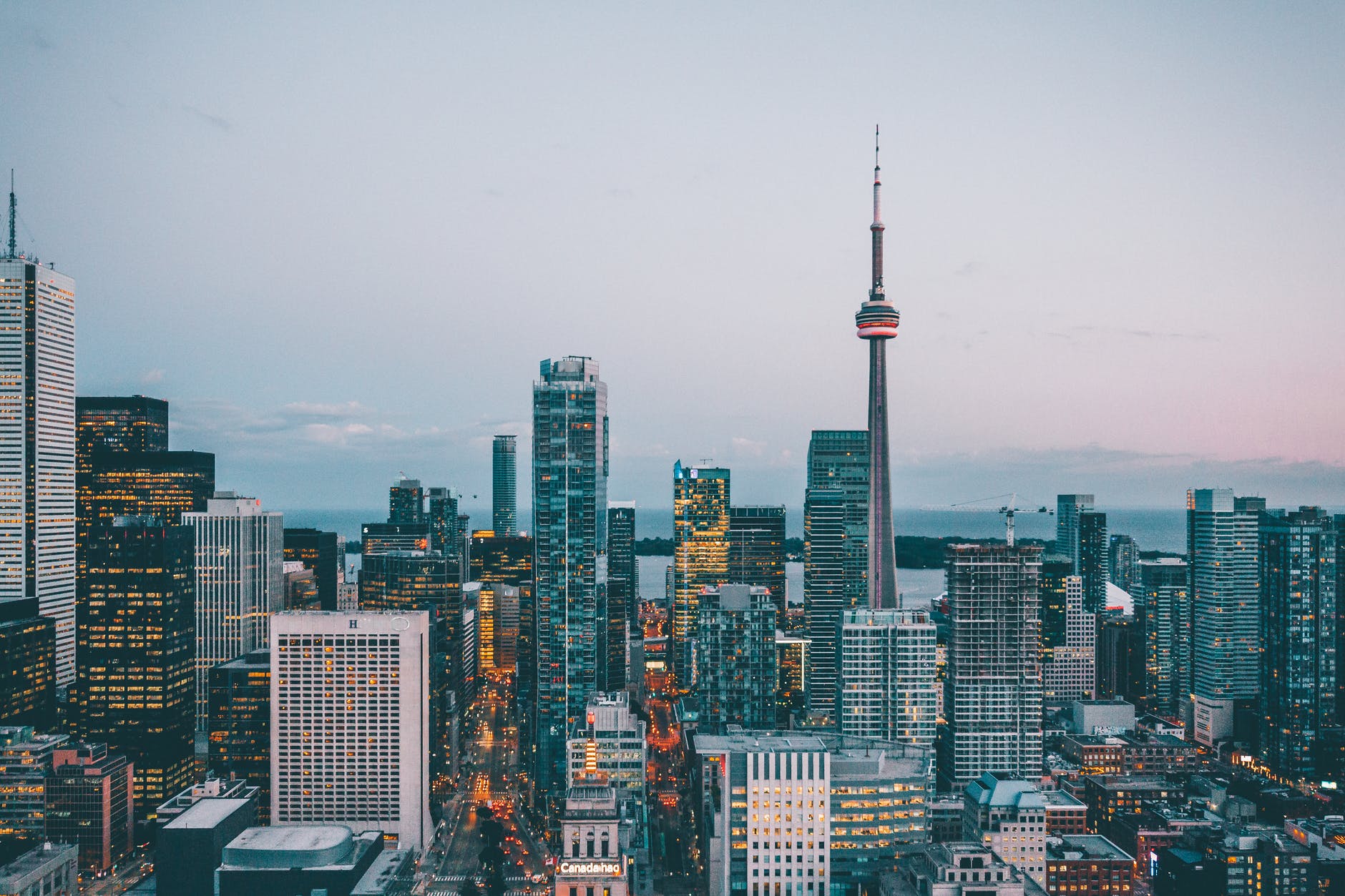
In a Contemporary Story, the “when” is obviously now, however you still need to add some specifics and may need to adjust the timeline accordingly.
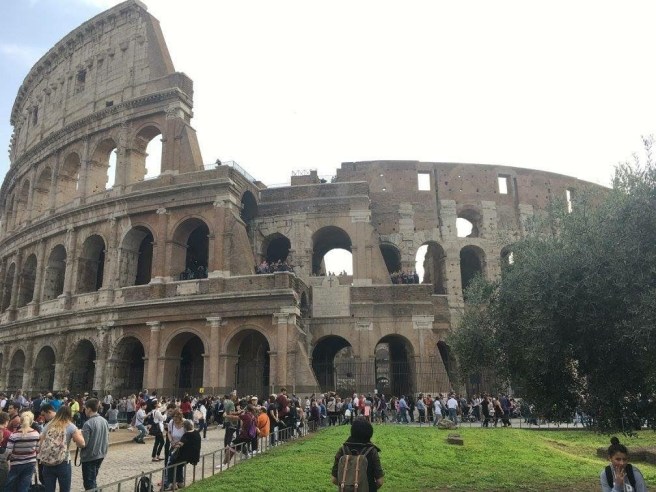
In a Historical Setting, you can’t just choose something like “The Roman Empire.” This type of setting often involves a lot of research, and most of the time, that research will lead you to a very specific year, sometimes even as granular as a particular day in that year.
In the Futuristic Setting, you have to decide how far into the future you are going to write. A lot of times, this requires you to determine events based off trends in current history, but sometimes can be so fantastically far in the future that they begin to feel more like a fantasy setting. You want to make sure that your trends extend far enough into the future that they do not become “dated” without the projected imaginary events coming to pass.

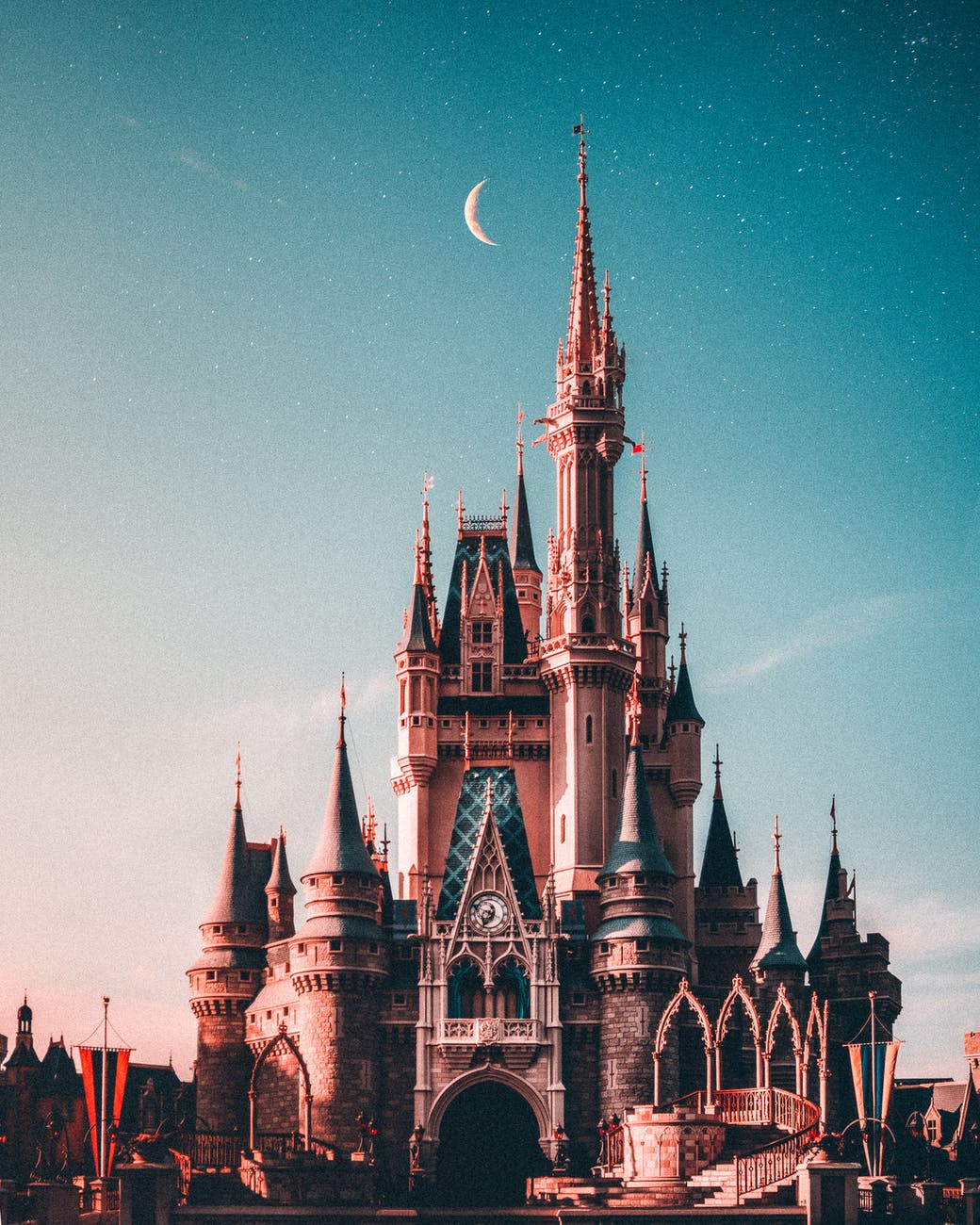
In a Fantastical Setting, you might have to determine an entire history for your world that defines the events happening in the current story. These end up having you take into account politics, wars, economics, revolutions, plagues and diseases, movement and transport of goods, formation of different geographical regions, climate, philosophical growth, and so on and so on. This type of setting can take years to truly develop, and requires a lot of upfront work. However, not giving this the full attention it requires can create unforgivable plot holes and inconsistencies that readers will notice.
With this kind of setting, I have found the timeline feature on World Anvil to be fascinating and extremely helpful.
At this point, I am just trying to get broad-strokes of the “when”- so I often think in terms of eras and monumental shifts within each of those eras that define the history. In the beginning, I try to focus on just what would impact my MC, because you can spend a lot of time lost in a plotting hole on sites like this!
Like I said, the “when” tends to be even easier than the “where”. The “where” often comes pretty naturally as you start to understand your story. I think it ties back in with mood and idea:
If your idea is a black and white photograph that shows a picture of a pocket watch, then you have to figure out “wheres” that tell you something deeper about this idea. Start asking questions: Why is the photo black and white? Is it because we are in a period of time before color-printing? It also rules out historical settings prior to the invention of the camera. If my pocket-watch is this fantastical magical object that tells the wearer when someone is lying, then maybe I need a fantastical setting that has a magical system with either hard or soft rules.
It is interesting at this point to really dive deep rather than reaching for easy options. If I decide this setting is a historical fiction set in the 1920s, then it might make sense to look at a location like New Orleans or Chicago depending on the idea. However, it could be just as interesting to see how this time period affected someplace like rural Missouri or a setting that is more niche. What is important is that you want to engage the reader, to really absorb them into this setting and provide a story that they could not have written themselves.
Once you have a general idea of the when and the where, it can be helpful to start digging into why this place interests you? What makes the people there different from people here? Dig into some of the political, economic, historical, and philosophical conflicts that can be driven by your story. Think of how the setting itself can pose as a conflict (droughts and floods) etc. Having a basic idea of the conflicts that can be played with just from setting alone can help when you are determining potential conflicts for plots later in the outlining.
Another great resource when thinking about some of the worldbuilding setting aspects is the Reedsy Worldbuiling Guide (I might have mentioned this in an earlier post). It is really helpful for asking the kinds of questions that can really play a role in defining the settings.
Once you have the idea of your “mega-setting”, you aren’t done. You have to think of a bunch of “mini-settings” that will be important scenes in the novel. Most have between 70-120 scenes, and each scene should take place in a different setting (time or place) so the reader does not spend all their time in the same setting, allowing them to really explore your world. These can be as simple as different rooms in a castle, or as extravagant as different geographical locations with completely different geographies. Think about different conflicts in each of these settings, and what makes each of them interesting.
ACTIVITY: Plan out the “when” and “where” of your mega-setting. Spend sometime thinking about potential conflicts in this setting. Then spend sometime determining 10 different “mini-settings” the characters could go to within the span of the novel, making sure to write a sentence or two about why each one is interesting.
I am always interested in discussing different settings and what you find interesting about them! Let me know some of the best settings you’ve read in stories, or what absorbs you as a reader. Sometimes it is something as simple as the language that defines a nation or the type of clothing a character wears due to the climate.
 emilyjaneestabrook.com
Leave a comment